A professional mixing engineer portfolio should do more than show that you own plugins, understand compression, or have worked on a few songs. It should help an artist answer one important question: Can this engineer make my music sound better? When an artist visits your website, they usually do not want to study your complete […]
Category Archives: Mastering
A Pultec EQ plugin is one of those tools that can confuse beginners because it looks simple, but it behaves differently from a modern parametric EQ. You do not open a Pultec-style EQ when you need to remove a narrow resonance, clean a harsh vocal frequency, or surgically fix a muddy piano. You use it […]
Quick Answer: The best pro mixing tips usually come down to making fewer, better decisions. Give the low end enough space, trust the emotional direction of the rough mix, avoid shaping sounds only in solo, serve the artist before your own taste, and make decisions through a monitoring setup you understand. These principles matter more […]
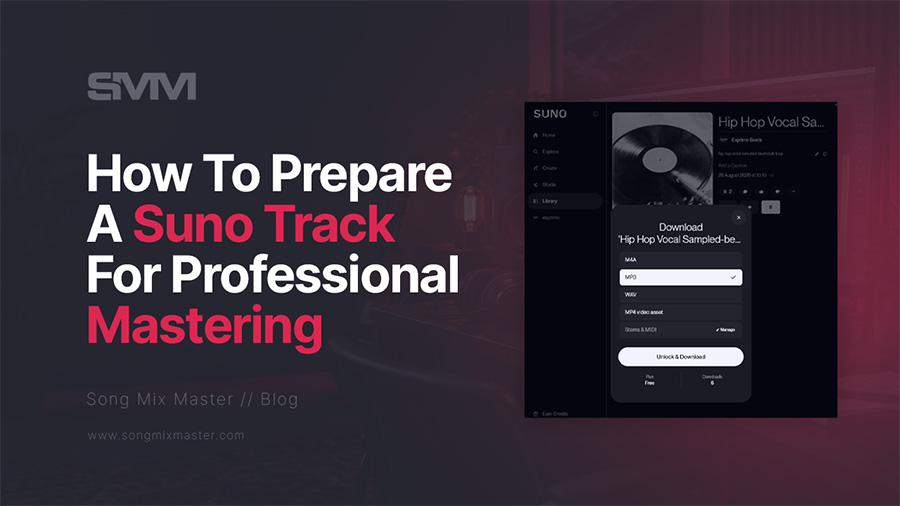
Key Takeaways Of This Article: Export every stem or multitrack from the same start point so the mixing engineer can rebuild your session without guessing where each file belongs. Leave clean headroom and avoid clipping, normalization, or master bus limiting unless the processing defines the sound. Use clear file names, consistent sample rate, correct bit […]
If you are about to send a track to mastering, you probably expect improvement, but you may not be fully sure what will actually change. Many artists assume audio mastering fixes mistakes, repairs weak mixes, or magically makes a song professional. That assumption causes frustration on both sides. Let me be clear from the start. […]
One of the most common mistakes producers, and sometimes even engineers, make is mixing with their master bus peaking near 0 dBFS. Working at these levels not only increases the risk of clipping and digital distortion but also leaves little to no headroom for mastering. A practical solution to this problem is the 6dB limiter […]
When you are mixing bass, kick drums, or you are in the mastering stage of a full-track, choosing the right EQ curve is one of the most subtle decisions, and as a mastering engineer, I know those subtleties can make or break how clean and powerful your low end feels. Below, I’ll walk you through […]
If you’ve ever listened to a rough mix that sounded decent but just didn’t hit like your favorite tracks on Spotify, chances are it wasn’t mastered yet, or the mastering was poorly done. Mastering is the final step in music production, giving your track a finished, professional sound. It’s where everything gets tightened up: loudness, […]
Analog equalizers, such as the Pultec EQP-1A and Neve 1073, have helped define the sound of entire eras of music production. Their sonic fingerprints continue to influence how engineers and producers shape tone, warmth, and clarity. Unfortunately, not everyone has access to such gear, these units are rare, expensive, and often reserved for high-end studios. […]
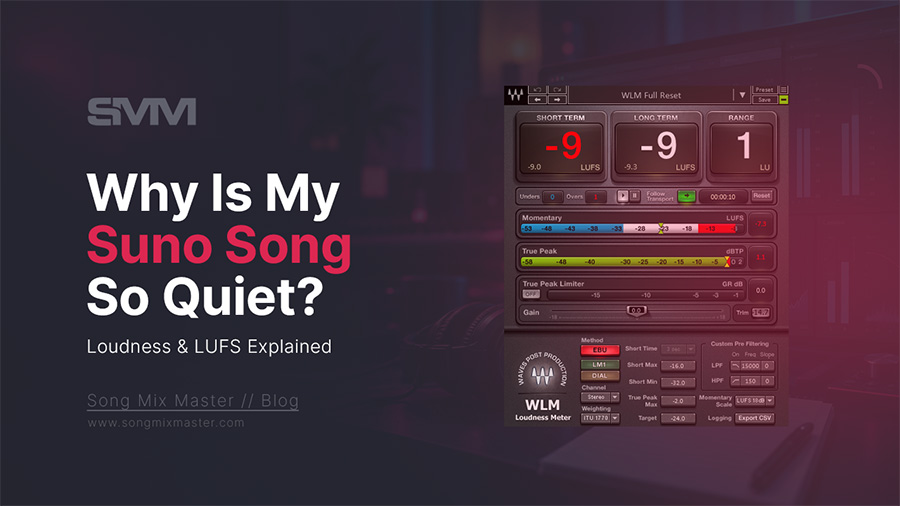
Mastering a track involves balancing preserving its dynamic range and achieving a competitive loudness level. One critical yet often overlooked element in this balancing act is the crest factor. This metric, which measures the difference between the peak and average loudness of a track, holds the key to ensuring your music not only sounds loud […]